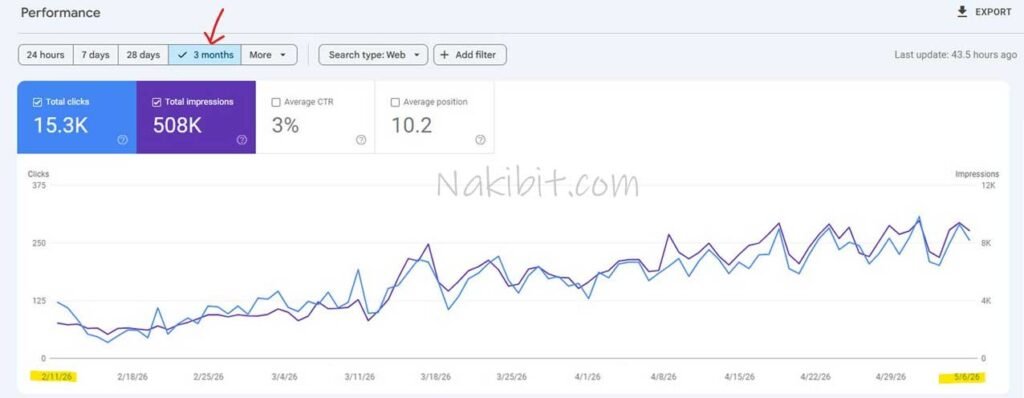
This Berlin SEO case study follows a B2B organic food manufacturer that grew from 150 to 5,100+ monthly organic visitors (+2,450%) in eight months, with 15,300 clicks and 508,000 impressions in the last three months.
The brand supplies supermarkets and retail chains across Germany. Its three-year-old site had never been properly optimised.
I’m Nazirul Islam Nakib, an SEO specialist. Here is how the project worked.
Project snapshot
- Industry: organic food manufacturing and wholesale (B2B)
- Location: Berlin, Germany
- Website age: 3 years
- Starting traffic: 150 to 200 visitors a month
- SEO type: eCommerce SEO, LLM SEO and technical SEO
- Engagement: ongoing monthly eCommerce SEO
- Timeline: 8 months, still active
Before and now
| Metric | Before | Now | Growth |
|---|---|---|---|
| Monthly organic traffic | 150 to 200 | 5,100+ | +2,450% |
| Total clicks (last 3 months) | – | 15,300 | – |
| Total impressions (3 months) | – | 508,000 | – |
| Average CTR | – | 3% | – |
| Average position | – | 10.2 | – |
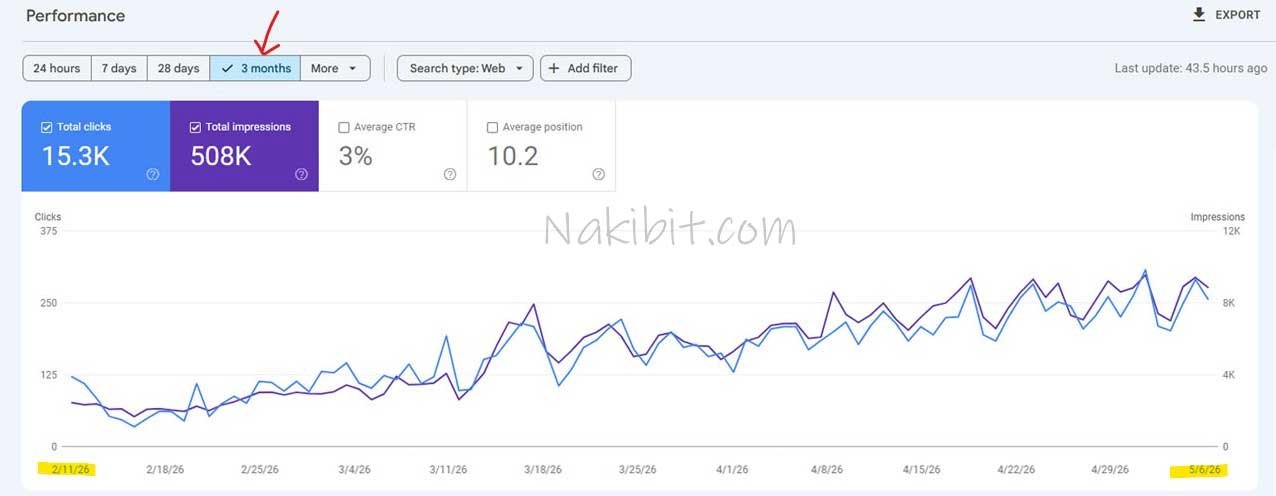
| Daily clicks | ~100 (Feb) | ~250+ (May) | +150% |
The graph shows a clean, steady climb from February to May. There was no spike.
What the site looked like at the start
It was a real brand with real products in real supermarkets. Almost nobody found it through Google.
- No keyword targeting.
- No keyword clustering or topical structure.
- No content strategy.
- Crawl and indexing gaps.
German buyers search for organic suppliers, wholesale organic products and private label food every day. This brand was not showing up for any of it.
What I did
Keyword research and clustering
I mapped the topics the brand should own: product categories, ingredients, B2B wholesale queries and German market searches. Each cluster got a content plan. See keyword topical cluster map.
On-page rebuild
I rewrote or restructured product, category and information pages around those clusters, in the words German buyers and retail partners use.
Technical SEO
I fixed crawl issues, improved internal links and site speed, and added structured data.
LLM SEO
I structured content so AI tools could pull clear facts about the brand’s products. The site now gets visits from LLM platforms too. See LLM SEO.
Monthly work
The client runs ongoing monthly eCommerce SEO, so new content and fixes compound each month. See eCommerce SEO.
What is next
An average position of 10.2 means many pages sit just outside the top 10. Moving them into the top five could lift clicks without much new content.
What I learned
- Structure and keyword clusters came before traffic.
- Ongoing work beats a one-time project for compounding.
- German B2B buyers reward precise, market-specific content.
These results are from one brand and are not a promise.
Frequently asked questions
Does SEO work for B2B food suppliers?
Yes. Buyers search for suppliers and wholesale products, so clear targeted pages can reach them.
Why monthly SEO instead of a one-off project?
SEO compounds. New pages and fixes build on earlier work.
Is this the same as the Shopify Germany case study?
No. That one is a consumer store. This one is a B2B manufacturer. See the Shopify Germany case study.
See the case study library or contact me.