Problem searches
People who have a problem and do not know your product exists. Helpful guides win the first visit.
I am Nazirul Islam Nakib, a proven startup SEO expert, SEO consultant and SEO strategist. Startups need traction fast, but search rewards patience and good foundations. I help early-stage companies pick the searches they can actually win, build the base properly from day one and grow organic traffic without wasting runway.
4.9/5 from 81 reviews · Hands-on, site by site

Get a free first look
Send your website. I will reply myself with what I see and what I would fix first.
or
Chat on WhatsAppStartup SEO is search marketing for new companies with a small team, a short runway and no domain authority. The challenge is to find searches that are winnable now and to build a base that compounds.
I start by deciding what not to chase. Big head terms are owned by established brands. Instead, I look for the problems your customers search for, the comparisons they make and the long-tail phrases that big competitors ignore. Then I set up a clean site structure, a content plan tied to the product and measurement that shows real sign-ups.
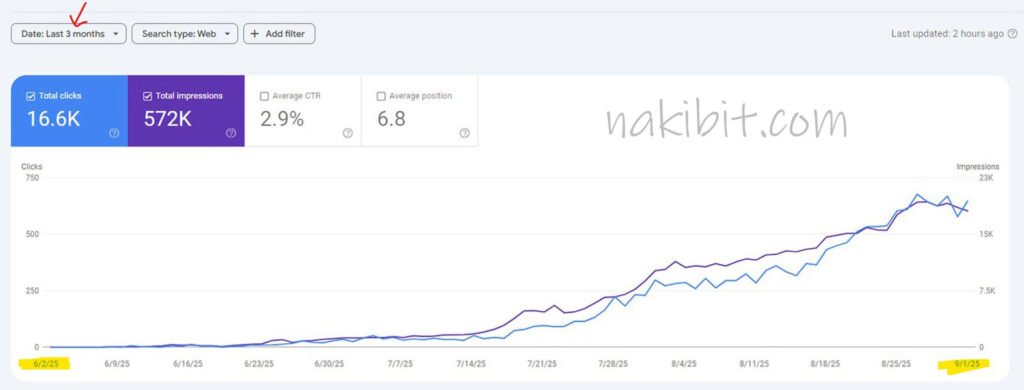
I worked on a brand-new Shopify marketing tool that went from 30 to 16,600 organic clicks in three months, and on a German B2B SaaS company that grew from 350 to more than 3,100 monthly visits in four months. Results depend on the market, but the method of focus, structure and useful content holds. The detail is on my SaaS SEO and B2B SEO pages.
A startup has a new domain, no authority, a small team and little time. It also has something established companies often lack: focus. A clear product, a clear customer and the freedom to move quickly can beat a slow competitor with a bigger site. A startup seo expert uses that advantage and avoids the common traps.
The first trap is waiting. Search takes months to build, and a site that starts publishing at launch is far ahead of one that starts a year later. The second trap is doing everything: a blog on every topic, a page for every keyword, a hundred directory links. That spreads a small team thin and builds nothing. The third trap is copying a big competitor's content plan, which ignores the fact that your site has none of their authority.
My approach is narrower. Choose a small set of problems your customers already search for, build the best answers to them, make sure the site is technically sound, and widen from there. This compounds. Each strong page supports the next.
People who have a problem and do not know your product exists. Helpful guides win the first visit.
Buyers comparing tools or looking for an alternative to a bigger name. A winnable space for a new product.
Early users checking whether you are real. Your own name must show a clear, trustworthy result.
Investors and journalists search for you too. A solid, accurate presence helps credibility.
A plan built around searches a new site can realistically win, not vanity terms.
Site structure, speed, redirects and markup set up before problems pile up.
Guides, comparisons and use case pages that lead naturally to sign-up.
A small number of relevant mentions and links, built properly without risky shortcuts.
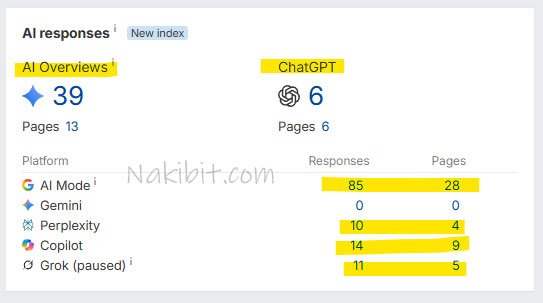
Clear definitions and structure so your product can be cited in AI answers.
Sign-ups and demo requests tracked, so organic is judged on outcomes.
Honest expectations about when organic starts to pay back, so you can plan runway.
Reviewed regularly as the product, market and team change.
Startups change fast. Foundations last.
A new site has no history to repair, so I set up structure, tracking and indexing correctly from day one.
I choose low-competition topics to rank for first, so you gain traction before aiming at the big terms.
The few pages that explain what you do, who it is for and why to trust you.
Launch mentions, the directories that matter and early reviews, so Google sees a real business.
Impressions, clicks and first enquiries by month, with the next steps.
Real results from my own work. Every business and market is different, so treat these as examples of the method, not promises.
 B2B SaaS
UAE, targeting USA, UK & Europe
A brand-new Shopify marketing tool that started at 30 clicks. Topical authority built from scratch around problems people already search for.
 B2B SaaS
Germany
Startup SEO draws on technical SEO, keyword research and content SEO, with authority from link building. Software companies should read about SaaS SEO. Visibility in AI tools comes through AI SEO. If you are moving to a new site, plan a site migration carefully.
Foundations come first because they are cheap to do early and expensive to fix later. That means a clean site structure, fast pages on mobile, correct indexing, sensible addresses for key pages, and tracking set up so you can see what works. I work with your developers on technical SEO before launch, where possible, so you avoid migrating a messy site later.
Then I build a topic plan. Using keyword research, I find the problems, comparisons and use cases your buyers search for, and group them into a handful of topics where you can become the clear authority. Each topic gets a main page and supporting pages that link to it and to each other. This is how a new site builds topical depth without a huge team.
I also match the plan to the product. Pages about the problem lead to pages about the solution, and those lead to the product, the trial or the demo. Content that attracts visitors who can never become customers is not worth the time.
I have two published startup-style case studies. The first is a new marketing tool for Shopify, built in the UAE and aimed at the USA, UK and Europe. It started at about 30 organic clicks and reached 16,600 organic clicks in three months, by building topical authority around problems people already searched for. The second is a B2B software company in Germany, where monthly organic visits rose from 350 to more than 3,100 in four months.
I share these as examples of method, not as promises. Both started from a small base, which makes percentage growth look large, and your market, competition and product will be different. They show what focused topical work can do for a new site, and you can read the details on the case study page. If you want to see how the same thinking applies to software, my page on SEO for SaaS companies goes further.
I recommend content that a customer would genuinely use: guides that solve the problem your product addresses, comparisons that help buyers choose, use-case pages for specific roles or industries, and clear product and pricing pages. Every piece should come from real knowledge of your product and customers, which is where founders have an edge.
I do not recommend large volumes of generic articles, auto-generated pages or posts written only to catch traffic. Google's helpful content systems and AI assistants both favour original insight, and thin pages dilute the site. Fewer, better pages usually win.
My plan is a small publishing rhythm you can keep up, aligned with the product roadmap. See my content SEO service for how I structure it. Where authority is needed, I look for a few real mentions and partnerships rather than bulk links, in line with how I approach link building.
Buyers increasingly ask assistants "what is the best tool for X" and "alternatives to Y". For a new company, being named in those answers is hard but not impossible. Assistants draw from clear product pages, comparison content, reviews, directories, documentation and mentions on trusted sites.
As an AI search specialist, I help you describe your product clearly and consistently: what it is, who it is for, what it costs in broad terms, how it differs. I add structured data using schema markup, keep your company details identical across profiles and listings, and plan a few third-party mentions that assistants can see. I also check what assistants currently say about you, because errors often come from old pages or unclear descriptions.
I cannot promise a mention, and I do not claim to control assistants. See my AI SEO page for the method.
A project starts with a short audit and a conversation about your product, customers and runway. I then give you a plan sized for a small team: what to fix first, what to publish first, what to leave for later.
Typical deliverables include a technical checklist for your developers, a site structure and page plan, a topic map with priorities, briefs for the first set of pages, tracking setup, a review of key product and pricing pages, and a simple monthly report tied to sign-ups, demos or trials. If you are planning a rebrand or domain change, I help plan that with site migration care.
You work with me directly. I am a professional SEO expert, SEO consultant and SEO strategist, and the person who plans the work does the work. See my wider approach on the home page.
A well-known SEO agency may be too big and too expensive for an early-stage company. A freelance SEO consultant is often a better fit while the product and market are still changing: faster decisions, direct contact and a plan that moves with you. Later, as the team grows, an SEO company or in-house hire may make sense.
Ask any provider how they would work with a small team, what they would do in the first month, how they measure success beyond rankings, and what they would not do. Be wary of long contracts, bulk link packages and promised positions. For companies selling to other businesses, see also my page on B2B SEO. If you want to talk about your situation, contact me.
Most are avoidable if you plan before launch.
Fix site structure and indexing early. Later migration is costly.
Pick a few topics and own them. Breadth can wait.
You lack their authority. Choose narrower, winnable topics.
Without data, you cannot tell what works.
Poor links add risk, not authority. Earn a few good ones.
Visitors who cannot see what you sell do not become customers.
Early on, traffic is a weak measure. A startup needs sign-ups, trials, demos and conversations with real prospects. I set up tracking for those actions from the start, and I report which pages and topics lead to them. I also track indexed pages, impressions and clicks in Search Console, which show whether Google is picking up the new site, and the first signs of visibility for your chosen topics.
Because a new site starts from a small base, growth percentages can mislead. I show absolute numbers beside percentages and say plainly when a number is too small to draw conclusions from. A startup seo expert should help you decide what to do next, not decorate a dashboard.
Reports are short and plain: what changed, what it probably means, what I will do next and what I need from your team.
My approach is semantic as well as technical: I map the questions people ask, group them into topics and give each topic one strong page. As a holistic SEO expert, I then check that speed, structure, links and reviews support that page. I am an independent SEO expert, not an agency account manager. You get direct access to a senior SEO specialist who plans, builds and reports on the work personally.
As an expert SEO consultant, I would rather give you a smaller, honest plan than a big one full of filler. You see what I will do, why it matters and how we will check that it worked.
Early on, a clean foundation matters more than volume. Launch gets the basics right, and Growth adds content and AI search visibility.
Launch
from $149 per month
For businesses under 12 months old: audit, keywords and fixes for up to 10 pages.
Growth
from $399 per month
AI search optimization, content, internal links and strategic link building.
Professional
from $799 per month
Full strategy, authority link building, schema and conversion-focused SEO.
See the full monthly SEO plans →
Starting prices in US dollars. I confirm the scope after a free look at your site, so you always know the price before any work starts.
Share your product site and your main competitors. I will tell you what I see and where I would start.
No obligation · Reply from Nazirul Islam Nakib himself
 Nazirul Islam Nakib
We usually reply in a few minutes
Leave your email or WhatsApp number and we'll follow up as soon as we're back online.