Category pages that say almost nothing
A grid of products and no explanation. Google has little to rank and shoppers have little to trust.
Paid ads stop the moment the budget does. Organic traffic keeps working. I plan and handle the SEO for online stores personally: category and product pages, site structure, speed, structured data and the content that brings shoppers in, whatever platform you sell on.
4.9/5 from 81 reviews · Hands-on, store by store

Get a free first look
Send your website. I will reply myself with what I see and what I would fix first.
or
Chat on WhatsAppI am Nazirul Islam Nakib, an experienced ecommerce SEO expert, SEO consultant and SEO strategist. Ecommerce SEO is the work of making an online store easy for Google, and now AI assistants, to find, understand and recommend. It covers how your categories and products are structured, what each page says, how fast it loads and how your catalogue is crawled.
A store is not a brochure site. It can have thousands of near-identical product pages, filters that create endless URLs, variants, out-of-stock items and seasonal ranges. Each of those can quietly waste Google's attention or split your rankings. A good ecommerce SEO expert knows where the traps are before opening the first page.
The money is rarely on the homepage. It sits on category and collection pages, where people search for "women's running shoes" rather than one shoe's name. Most of my work goes into making those pages the best answer on the web, then backing them with product pages, content and links that support them.
The fixes are platform-specific, so I work with the way your store is actually built. See my pages on Shopify SEO, WooCommerce SEO, Magento SEO and BigCommerce SEO.
A grid of products and no explanation. Google has little to rank and shoppers have little to trust.
Colour, size, price and sort links can multiply into near-duplicate pages that eat crawl time and dilute rankings. Controlling them is a technical SEO job.
Manufacturer text used by every competitor gives Google no reason to prefer your page.
Heavy images, scripts and apps that make mobile shoppers leave before the page finishes loading. This is measured with Core Web Vitals.
Without clean product markup, price, stock and review details may not show in results or reach AI shopping tools. I add and test schema markup so it matches the page.
Good ecommerce SEO services do not add more pages. They add the right pages, each with one clear job.
Category and collection pages usually carry the most search demand, because shoppers who are still choosing search for a type of product, not a model number. I give each important category a distinct target, a short useful introduction, clear internal links to related categories and filters that help shoppers without spawning thousands of duplicate pages.
Product pages win the specific, ready-to-buy searches. They need honest descriptions in your own words rather than copied manufacturer text, accurate price and stock, good images, size or specification detail, delivery and returns information and genuine reviews. Variants such as colour and size should be handled so they do not split the page's strength.
Buying guides and comparison pages reach shoppers earlier in the journey and give AI tools clear answers to quote. They link to the categories and products they discuss. This is the same method as my content SEO work, and it starts from keyword research that maps one keyword to one page, so your own pages do not compete with each other.
I also plan for growth. A store with a thousand products does not get a thousand hand-written pages in week one. We start with the categories and products that already earn or could earn the most, then work outward.
Online stores generate technical problems that blogs never see. Filters, sorting, pagination, internal search results and session parameters can create endless near-duplicate addresses. Search engines then waste time on pages that should never be indexed, and may miss the ones that matter.
I audit what is crawled and indexed, decide which filtered pages deserve to rank and which should be kept out, and set canonical tags, robots rules and internal links to match. Pagination, out-of-stock handling and discontinued products get clear rules: keep and explain, redirect to a close match or retire cleanly. My technical SEO service describes the process.
Speed matters especially on phones. Heavy images, theme scripts and third-party apps are the usual causes of slow stores. Google's Core Web Vitals measure loading, interaction and layout stability, and Interaction to Next Paint replaced First Input Delay as the responsiveness metric in March 2024. I fix the real causes rather than chase a score; see website speed optimization and Core Web Vitals.
Structured data completes the picture. Product markup with price, availability, brand, images and genuine reviews makes your facts clear to search engines, and merchant feeds depend on the same accuracy. Google does not promise rich results, so markup is about eligibility and clarity. See schema markup.
Shoppers buy from stores they believe. Clear delivery times, easy returns, visible contact details, secure checkout and real reviews do more for conversion than most design changes, and they give search engines evidence of a real business.
Reviews must be genuine. Google's policies prohibit fake or incentivised reviews, and consumer protection laws in many countries punish them. I help stores collect honest reviews from every buyer and show them properly on product pages, with respectful replies to complaints.
Claims need care too. Terms such as organic, certified, waterproof or clinically tested must be accurate, and rules differ by product type and country. In the United Kingdom, for example, the Digital Markets, Competition and Consumers Act strengthened enforcement against fake reviews and misleading practices. I ask every store to confirm requirements for its own products with a local adviser, and I write only claims you can support.
The same principles apply everywhere. The settings, templates and pitfalls do not, so each platform has its own page.
Collections, duplicate product paths, apps that slow the theme and the limits of Shopify URLs.
Shopify SEO expert →Filter parameters, product and category bases, plugin weight and clean product markup on WordPress.
WooCommerce SEO expert →Layered navigation, URL rewrites, caching and store views on Magento and Adobe Commerce.
Magento SEO expert →Faceted search, URL patterns, Stencil themes and headless setups on BigCommerce.
BigCommerce SEO expert →SEO URL templates, variants, filters and multi-language sales channels on Shopware 6.
Shopware SEO expert →Duplicate product URLs, faceted search clutter and module weight on PrestaShop.
PrestaShop SEO expert →I also work on custom builds and other store platforms. Send me the address and I will tell you how I would approach it.
Ask about your platform →I crawl the catalogue, read Search Console and see what Google sees, the same way I run a full SEO audit. I note which categories earn and which are invisible.
Crawl waste, duplicates, redirects, speed and markup first, because nothing else works well on a shaky base.
Based on keyword research, every category and key product gets one clear target and one page. Overlaps are resolved before anything is written.
Category and product pages rewritten around what shoppers want to know, with proper internal links.
Buying guides and content SEO that bring early-stage shoppers, then link building to the pages that matter.
Clicks, rankings and orders tracked month by month. Pages that stall get another pass.
From a first store to a multi-platform catalogue. The plan sets the scope, and I run the work myself on Shopify, WooCommerce, Magento, BigCommerce and the other platforms listed above.
For new or small online stores ready to grow
For growing stores targeting more organic sales
For established stores scaling organic revenue
For large stores and multi-platform operations
Prices are starting points in US dollars. Plans run month to month after an initial three months, and paying for a year up front gets you two months free. Catalogue size, platform and competition change the scope, so send me your store address and I will recommend a plan after a quick look. Based in Bangladesh? Ask about local-currency pricing.
Different platforms, different markets, different timeframes. These are not promises for your store.
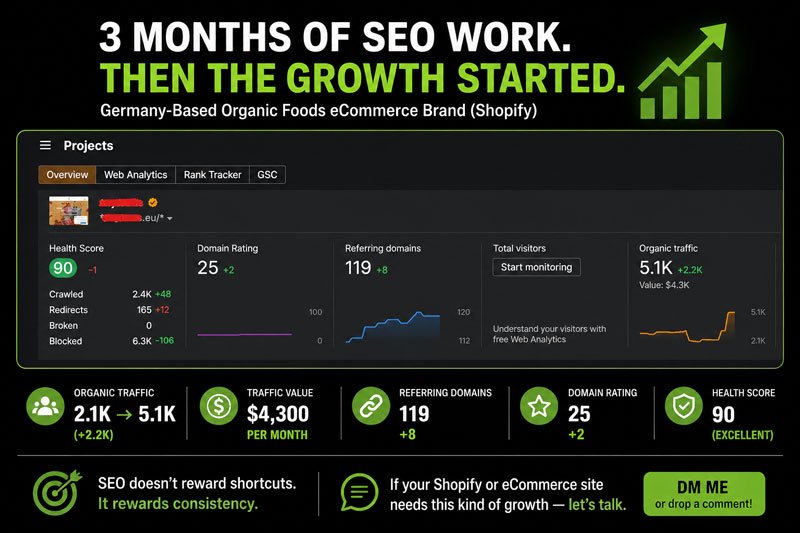 Shopify ecommerce
Organic foods, Germany
A Shopify store stuck at 2.1K visits. Crawl fixes, cleaner redirects, rewritten product and collection pages and white-hat links.
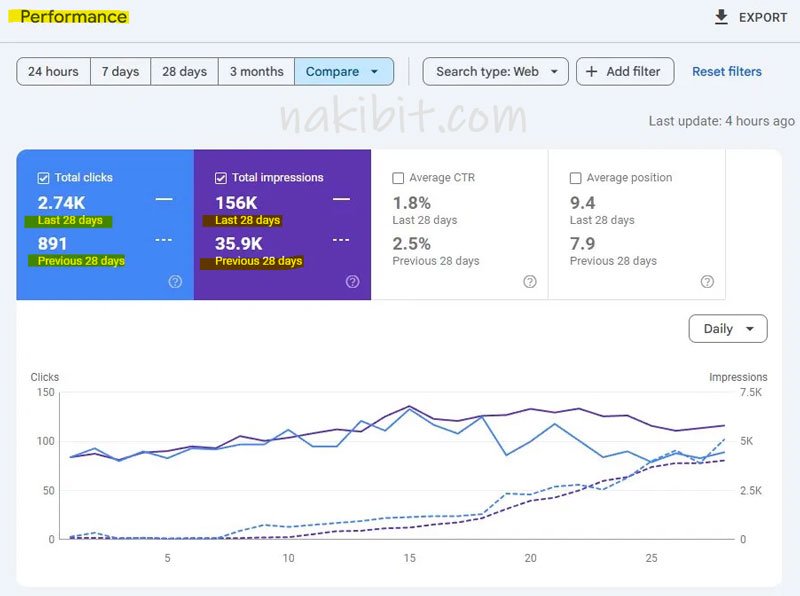 Ecommerce
Organic food store, Chicago, USA
A store that had relied on paid ads for 1.5 years. Technical fixes, schema, on-page work, then content and links.
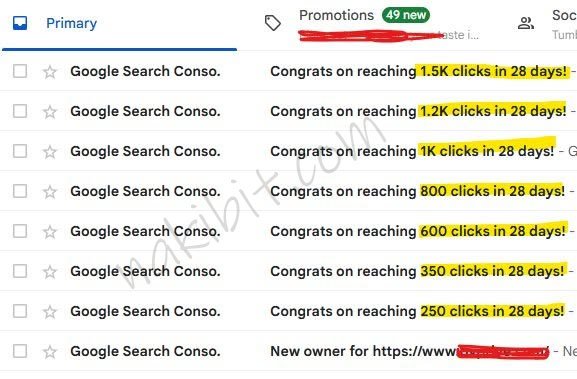 BigCommerce
Luxury clothing brand, Switzerland
A BigCommerce brand with no SEO work, aiming at the US market. Site restructure, targeted content and a backlink plan, with Bing optimised alongside Google.
Shoppers increasingly ask assistants to compare products, suggest gifts or find the best option for a need. Those tools read product pages, guides, reviews and trusted mentions. As an AI search specialist and AI SEO expert, I help stores be understood and quoted correctly, and my ecommerce SEO services include this work.
My Spanish luxury bag project is a real example: product and category pages were restructured for AI systems to read, with topical authority and trusted mentions, and the store now appears in Google AI Overviews and ChatGPT answers. Results differ for every store, and no one can promise a recommendation.
What helps is consistent: clear product data, honest descriptions, quotable guides, reviews that mention the product and the same facts about your brand everywhere. See my pages on AI SEO, generative engine optimization and answer engine optimization.
Rankings alone do not pay for stock. I report on organic orders and revenue, the categories and products behind them and the Search Console searches that led there, with brand searches separated from general ones. Seasonal stores are compared with the same period a year earlier.
Technical fixes can show within weeks. For competitive categories, expect three to six months of steady work. The Shopify, BigCommerce and AI search results in the case studies below are examples of the method, not promises.
As a freelance ecommerce SEO specialist, I also leave your team with routines for new products, collections and promotions so progress does not depend on me alone.
Whether you compare an ecommerce SEO agency, an ecommerce SEO company or a freelance ecommerce SEO consultant, ask for real store results on your platform, ask who will actually do the work, ask how they handle filters and variants and ask whether reports show orders rather than only rankings. Beware of fixed promises of position, and of packages that publish thin pages in bulk.
At Nakib IT you work with me directly. My ecommerce SEO services come from a professional SEO expert with more than eight years of experience. Return to the Nakib IT home page or see more about Nazirul Islam Nakib, my professional SEO services or the SEO expert in Bangladesh home page.
Four patterns appear again and again. First, categories without any explanatory content, which gives search engines nothing to read. Second, copied manufacturer descriptions shared with dozens of competitors. Third, filters and parameters that multiply into thousands of duplicate pages. Fourth, product removal handled badly, leaving broken pages or soft errors that waste crawl time and frustrate shoppers.
Fixing these often changes results more than adding new pages. I start with the audit, rank the fixes by likely value and deal with the biggest first.
Moving platforms? A site migration done carefully protects the rankings you already have. Want your products recommended by ChatGPT and Google AI Overviews as well? See my AI SEO services.
Not sure where to start? Send me the store and I will tell you what to fix first, or ask for a full SEO audit of the catalogue.
Think of me as a semantic SEO expert and a holistic SEO consultant in one: I look at meaning, through topics and entities, and at the whole site, through technical health, content and authority, before I suggest any change. I also work as a programmatic SEO consultant for sites with large catalogues or many locations. The rule is simple: scale only what is genuinely useful, and keep every generated page unique, accurate and worth indexing.
I am a results-driven SEO expert in a practical sense: every task is tied to something we can measure in Search Console, Google Analytics or your enquiries, and I report on it in plain language. I do not promise rankings, because nobody can.
Choosing a platform? Read the best ecommerce platform for SEO, and see why ecommerce businesses invest in SEO.
If you are comparing specialists for your store, start with the Top 5 Magento SEO experts list. For city-based searches see the top 5 lists for Sydney, Melbourne, Chicago and Los Angeles.
Share your store address and the category you most want to rank. I will tell you what is holding it back and what I would fix first.
No obligation · Reply from Nazirul Islam Nakib himself
 Nazirul Islam Nakib
We usually reply in a few minutes
Leave your email or WhatsApp number and we'll follow up as soon as we're back online.