Faceted search URLs
Filters can create many near-duplicate addresses. I check canonicals and decide which combinations should be indexed.
I am Nazirul Islam Nakib, an independent BigCommerce SEO expert, SEO consultant and SEO strategist. BigCommerce gives you a fast, flexible platform and leaves the SEO decisions to you. Faceted search, URL patterns, themes and headless setups all matter. I have taken a BigCommerce brand from no SEO work to 2,700+ monthly organic visits in seven months, and helped another show up in AI answers.
4.9/5 from 81 reviews · Hands-on, store by store

Get a free first look
Send your website. I will reply myself with what I see and what I would fix first.
or
Chat on WhatsAppBigCommerce SEO is the work of getting a BigCommerce store to rank and sell. The platform has good basics, such as a built-in sitemap, redirect tools and a content delivery network. What it leaves to you is the strategy: which pages target which searches, how filters behave, how URLs are structured and how fast your theme really is.
A BigCommerce SEO expert reviews all of that and then does the slower work. Category pages are rewritten for shoppers, product pages are made distinct, internal links are tidied and content is built around the questions buyers ask.
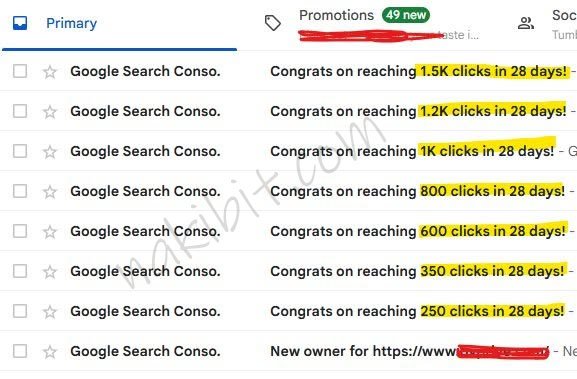
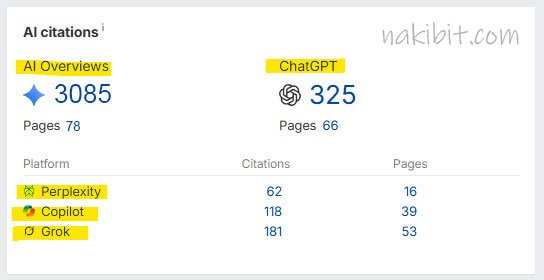
Two BigCommerce projects show it. A Swiss luxury clothing brand with no SEO work reached more than 2,700 monthly organic visits in seven months, optimised for Google and Bing. A Spanish luxury bag store went from 1 to 325 ChatGPT citations and from 0 to 3,085 Google AI Overview appearances. Details are in the case studies. The overview is on my ecommerce SEO page.
Filters can create many near-duplicate addresses. I check canonicals and decide which combinations should be indexed.
Product and category address patterns can be set in the store. I review them, and plan redirects with care if a change is needed.
Titles, headings and templates adjusted so every product and category page says the right thing in the right place.
The platform is fast. Themes, apps and scripts can still weigh pages down. I trim what costs more than it returns.
Product data checked against what shoppers see, including price, stock and review details, so results and AI tools get it right.
With a headless front end, SEO duties move to your code: rendering, metadata, sitemaps and links. I review what crawlers actually receive.
Several storefronts, currencies or languages need clear signals so each market sees the right pages.
Pages restructured so AI assistants can read, trust and cite your products, as in my luxury bag case study.
The platform is the same. The outcome is not.
I check URL structure, theme code, apps and Search Console to see what BigCommerce handles well and what it leaves to you.
Duplicate paths, faceted navigation, speed and structured data.
One clear target for each category and key product.
Descriptions, headings and internal links reworked around what shoppers search for.
Clicks, rankings and orders from organic search, with the next steps.
 BigCommerce
Luxury clothing brand, Switzerland
A BigCommerce brand with no SEO work, aiming at the US market. Site restructure, targeted content and a backlink plan, with Bing optimised alongside Google.
 BigCommerce · AI search
Luxury bags, Spain
Product and category pages restructured for AI systems to read, plus topical authority and trusted mentions.
A BigCommerce store benefits from a solid base. Technical SEO clears crawl and duplication problems, and Core Web Vitals work improves speed. Schema markup keeps product data accurate.
If you want your products recommended by assistants as well as search, see AI SEO and my page on ChatGPT SEO. Content comes under content SEO, and targets from keyword research. Planning a move? Use a careful site migration. The overview is on my ecommerce SEO page.
BigCommerce makes the technical side easier than many platforms, which is exactly why the strategic decisions matter more. When you work with me, I audit the store, write the plan and make or brief every change myself. I hold HubSpot and Semrush certifications and have more than eight years of experience across 1,200+ projects, so you deal with a trusted SEO expert, not an account manager relaying messages.
BigCommerce SEO needs a person who can think about structure, content and search demand together. A specialist who only audits tags will miss weak category design, and a developer who only builds will miss what shoppers search for. I act as the SEO strategist between your merchandising and your developers, then give both a short, ordered list of what to do.
If you want the wider picture first, my SEO consultant page explains how I work on every kind of website, and the ecommerce SEO overview shows where platform work fits into a complete store plan.
BigCommerce is a hosted platform, so a lot of the heavy lifting is done for you. Servers, security and an automatically generated sitemap come with it, and you can manage redirects and edit robots.txt from the control panel. That is a good starting point, but it does not mean SEO is done. The platform cannot decide which collections deserve their own pages, how your categories should be organised or whether your product copy is any good.
I begin by confirming that the basics behave as intended: one preferred domain version, clean redirects, sensible canonicals, a sitemap limited to pages worth finding and a robots.txt that does not block anything useful. Then I move to the decisions that actually move rankings, which are structure and content.
BigCommerce lets you customise how product and category addresses are built. That freedom is useful during setup and risky afterwards, because every change alters live addresses that Google has already indexed. If a restructure is truly needed, I plan the redirect map before anything changes, test it on a sample and monitor Search Console afterwards.
Category design is where most gains sit. I map shopper searches to a clear hierarchy, decide which subcategories justify their own page, and avoid two categories competing for the same query. Product filtering and faceted search then get the same treatment as on any large catalogue: indexable only where a filtered view matches real demand, canonical or kept out of the index elsewhere, and never promoted through internal links by accident.
Pagination, sort options and search result pages are reviewed too, so crawl attention stays on the pages that sell. This is the day-to-day work of technical SEO on a hosted store.
Themes and apps decide how heavy your pages are. A Stencil theme with a slider, a review widget, a chat tool and several tracking scripts can undo the platform's speed advantage. I test the main templates, identify which scripts cost the most and recommend what to defer, replace or remove. Google's good thresholds for real visits are Largest Contentful Paint within 2.5 seconds, Interaction to Next Paint within 200 milliseconds and Cumulative Layout Shift below 0.1.
Some merchants use BigCommerce headlessly, with a separate front end. That gives design freedom, and it shifts SEO responsibility to the front-end team. Titles, canonicals, structured data, sitemaps, redirects and rendering all need to be handled in code, and search engines must be able to read the content without relying on scripts. I review these with your developers, write specific requirements and test the live output rather than assuming it works.
Performance and rendering work follows the same method as my Core Web Vitals service.
Strong product pages combine accurate specifications, original descriptions, clear images, honest delivery and returns information, and reviews that are genuinely from customers. I rewrite priority pages first and set patterns for the rest, so titles and headings stay consistent without every page needing hand edits.
Structured data should describe what is visible: name, images, price, availability and reviews where they exist. I check what your theme and any apps output, remove conflicts and confirm the result. Correct markup does not promise rich results, but it makes your products easier for search engines to understand. See schema markup and on-page SEO for the broader method.
Category pages deserve more than a grid. A short, useful introduction, links to subcategories and a buying guide can help both shoppers and search engines.
Product discovery is moving into ChatGPT, Gemini, Copilot and Google AI Overviews, and the luxury bags case above shows what that looks like in practice.
As an AI search specialist, I treat this as an extension of sound ecommerce SEO. Assistants such as ChatGPT, Gemini, Copilot and Google AI Overviews draw on pages that are clear, crawlable, accurate and trusted. For a BigCommerce store that means complete product specifications, consistent product data across markup and feeds, honest delivery and returns information, and comparison or buying-guide content that answers real questions in plain language.
Mentions and reviews on other trusted sites also help these systems recognise your brand as a real business. I cannot promise a citation in any AI answer, and I do not. I can make your pages easy to understand and worth citing. Read more in AI SEO and answer engine optimization.
Rankings alone do not pay for stock, so I report on what a merchant actually cares about: organic clicks and impressions for category and product pages, how much of the crawl is spent on useful URLs, Core Web Vitals on your main templates, and organic orders and revenue from your analytics.
Before changing anything I record a baseline from Search Console and analytics, then keep a dated log of every change. In ecommerce a price change, a stock problem or a seasonal spike can look like an SEO win or loss when it is neither, so the log keeps the reporting honest. The two BigCommerce results above are the evidence I mean: 2,700+ monthly organic visits in seven months for the Swiss clothing brand, and 3,085 Google AI Overview appearances and 325 ChatGPT appearances for the Spanish luxury bags store. Each is shown on its case study page with context, not promised for your store.
Every project is tailored, but most include a full audit of crawl, index, speed, structure and markup, a prioritised fix list written so your developer can act on it, a keyword map for categories and key products, rewritten copy for the pages that matter most, and monthly reporting on clicks and orders.
You also get plain-language explanations of what I am changing and why, so you stay in control of your own store. Most merchants do not need everything at once, which is why I begin with a free look and a short list of what I would do first.
Whether you hire a freelance BigCommerce SEO specialist, an independent consultant or an agency, ask direct questions. Who will actually work on my store? Can you show relevant results with context? How will you handle filters, variants and duplicate URLs? Will you change anything on the live site without telling me? How will you report on orders, not only rankings?
Many BigCommerce merchants work with a theme developer or agency. I fit alongside them and say plainly which items need development time and which I can handle myself.
Be wary of anyone who promises a ranking, sells a fixed pile of links, or wants to rebuild your whole site before looking at the data. A good company explains trade-offs, admits what needs a developer and shows its work. My about page tells you who I am, and my professional SEO services page explains the services in full. Or send me your store through the contact form and I will tell you what I would fix first.
My approach is semantic as well as technical: I map the questions people ask, group them into topics and give each topic one strong page. As a holistic SEO expert, I then check that speed, structure, links and reviews support that page. Where your site has many similar pages, such as products, locations or listings, a programmatic SEO expert approach can help: templates fed by real data, unique value on every page and strict quality checks so nothing turns thin or duplicate. I only recommend it when the data and the demand are really there.
As an expert SEO consultant, I would rather give you a smaller, honest plan than a big one full of filler. You see what I will do, why it matters and how we will check that it worked.
BigCommerce handles a lot out of the box. The plans cover what it does not: category content, product detail and internal linking.
Store Startup
from $199 per month
Audit, product and category fixes and technical clean-up for a smaller store.
Store Growth
from $499 per month
Up to 25 product pages, buyer-intent content and link building.
Store Authority
from $999 per month
Full catalogue strategy, digital PR and conversion-focused SEO.
See the full ecommerce SEO plans →
Starting prices in US dollars. I confirm the scope after a free look at your site, so you always know the price before any work starts.
Share the address and the category you most want to rank. I will tell you what I see and what I would fix first.
No obligation · Reply from Nazirul Islam Nakib himself
 Nazirul Islam Nakib
We usually reply in a few minutes
Leave your email or WhatsApp number and we'll follow up as soon as we're back online.