Problem-aware searches
"How to reduce cart abandonment". People who have a problem but no product in mind. Helpful guides win the first visit.
I am Nazirul Islam Nakib, a results-driven SaaS SEO expert, SEO consultant and SEO strategist. SaaS buyers research before they ever speak to sales. I help software companies show up for the problems their customers search for, build topical authority from scratch and turn organic traffic into trials, demos and revenue.
4.9/5 from 81 reviews · Hands-on, site by site

Get a free first look
Send your website. I will reply myself with what I see and what I would fix first.
or
Chat on WhatsAppSaaS SEO is search marketing for software-as-a-service products. It differs from other SEO because the product is new, the category is crowded and buyers search for problems far more often than product names.
The approach is to map the questions your customers ask before, during and after they realise they need software. Pages that solve those problems earn trust and traffic, and they link naturally to the product pages that convert. Comparison and alternative pages capture buyers who are deciding.
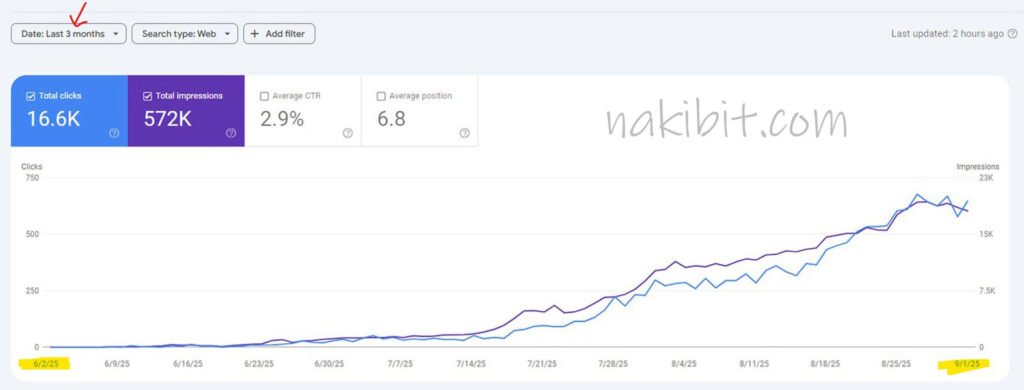
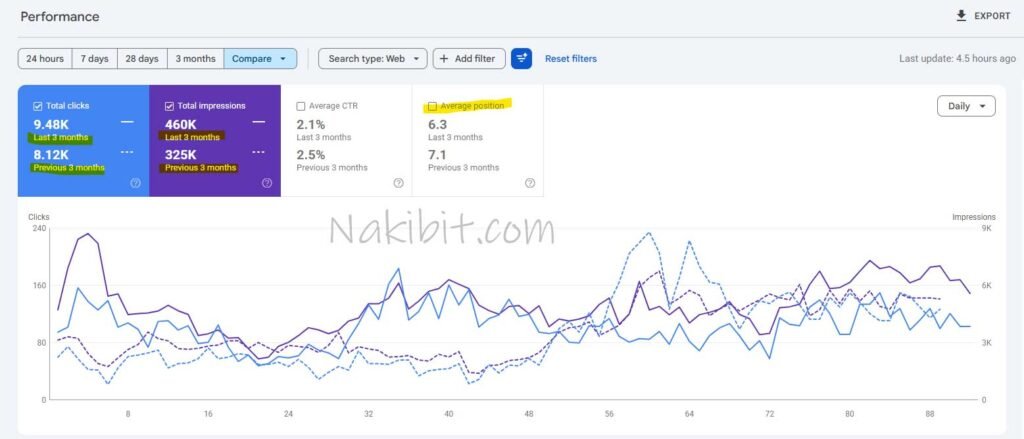
I worked on a brand-new Shopify marketing tool in the UAE that went from 30 to 16,600 organic clicks and 572,000 impressions in three months, and on an AI writing tool in Sydney that grew organic traffic by 163% in ten months. SaaS SEO is slower than local SEO but compounds well when the content is genuinely useful. It sits on top of technical SEO and content SEO, and increasingly on AI search visibility.
Software is bought differently from most things. The buyer often starts with a problem, not a product: how to track expenses, how to reduce churn, how to send fewer support emails. They read several articles, compare tools, check pricing and look for proof from people like them, often over weeks and with several people involved. A SaaS SEO expert has to meet them at each of those steps.
The category is also crowded and fast-moving. New tools launch constantly, features change, and competitors write about the same topics. That is why topical authority matters. A site that covers a field in depth, with pages that connect to each other and to the product, is easier for search engines to trust than one with scattered posts.
And the measure of success is different. Traffic that never becomes a trial is a vanity metric. I connect content to sign-ups and demo requests wherever tracking allows, and I tell you honestly when traffic is rising but the pages are not attracting the right buyers.
I have worked on this myself. A brand-new B2B SaaS product I supported reached 16,600 monthly clicks and over 572,000 impressions in three months, starting from 30 clicks, through a structured content plan and topical authority with AI-search optimisation. An AI writing tool in Sydney grew organic traffic by 163% in ten months. Every product and market is different, so these are examples of the method, not promises. To see how this fits my wider work, visit the Nakib IT home page.
"How to reduce cart abandonment". People who have a problem but no product in mind. Helpful guides win the first visit.
"Best email tools for stores". Buyers compare categories and features. List and guide pages work well here.
"Tool A vs Tool B", "alternatives to Tool A". Close to purchase, so accuracy and fairness matter.
Pricing, features, integrations and use cases. These pages must convert, and be clear to people and to AI answers.
The problems, categories and comparisons your buyers search for, planned into a cluster structure.
Helpful, original articles written for the buyer, not for word counts, with real product knowledge.
Fair, accurate pages for buyers who are choosing between options.
Pages that match the way buyers describe their need, linked to trials and demos.
Guides that lead naturally to the product pages that convert.
Clear definitions, structure and evidence, so your product is cited in AI answers.
Crawlable app and marketing pages, clean site structure and speed.
Reporting that ties content to sign-ups and demo requests.
A SaaS SEO strategy starts by mapping the buyer journey. At the top are problem searches, such as how to solve a task or understand a concept. In the middle are solution searches, such as the best tools for a job or how to choose software. At the bottom are comparison, alternative, pricing and integration searches, where buyers are close to a decision.
I build the map from your own data, such as sales calls and support tickets, and from search results for each stage. Then I decide which pages to create, and in what order. Bottom-of-funnel pages, such as comparisons and use cases, often convert best and are small in number, so they usually come early. Problem guides build authority and bring in the wider audience, so they follow in clusters.
Each cluster ties back to the product with natural, helpful links. A guide on reducing churn can lead to the feature page that helps, and the feature page can lead to a trial. Documentation, help articles and integration pages are part of the plan too, since they often attract the most qualified searches. This is a task for an SEO strategist, not just a writer.
I keep roles clear. Content SEO methods are explained on my content SEO page, and I do not repeat them here. For buyers who are companies, see my B2B SEO guidance, and for very early products, my startup SEO page.
Comparison pages, such as one tool against another, and alternative pages, such as alternatives to a well-known product, catch buyers close to a decision. They can convert well, but only when they are fair. Pages that are plainly one-sided lose trust, and AI tools tend to favour balanced, factual sources. I write them with real feature comparisons, honest strengths and weaknesses of each option and clear guidance on who each tool suits.
Use case pages describe how a type of customer solves a problem with your product. They should use the customer's language, show a real workflow and lead to a clear next step. Integration pages explain how your product connects to others, and they often attract searchers who already use the partner tool, which makes them valuable.
Feature pages need care. Each should answer a specific question, such as what the feature does, who needs it and how it works, rather than a vague list of benefits. Pricing pages should be easy to read, explain what each plan includes and answer common questions.
I avoid mass-producing thin pages by template. Programmatic approaches can work in some cases, but only when each page has real, useful data. Otherwise, Google's spam policies on scaled low-value content apply.
SaaS sites are often built with modern JavaScript frameworks, and that can hide content from search engines. Google can render JavaScript, but it takes more resources and can go wrong. I check that key pages show their content in the rendered version, that links are real links, that metadata appears and that app pages behind a login are kept apart from marketing pages.
Other typical issues include separate subdomains for marketing, docs and app, each with its own authority, duplicate pages from parameters, slow pages weighed down by third-party scripts and chat tools, and old feature pages left behind after redesigns. I list them, rank them and give developers precise instructions. For the wider picture, see my technical SEO and Core Web Vitals pages.
Documentation deserves attention. Help articles answer real questions and attract buyers who are already evaluating the product. I make sure they are crawlable, well organised and linked from relevant product pages.
Search rewards sites that cover a subject properly.
I list what buyers search for at each stage, from the problem to comparing tools, and what your site covers today.
Crawlability, JavaScript rendering, speed and a clean structure for features, docs and pricing pages.
Use-case, comparison and integration pages tied to your product, instead of unconnected blog posts.
Original data, integration and partner links, and mentions from sources that AI tools trust.
Trials, demo requests and sign-ups from organic search, not just traffic.
Real results from my own work. Every business and market is different, so treat these as examples of the method, not promises.
 B2B SaaS
UAE, targeting USA, UK & Europe
A brand-new Shopify marketing tool that started at 30 clicks. Topical authority built from scratch around problems people already search for.
 AI writing tool
Sydney, Australia
SaaS SEO is built on content SEO, keyword research and technical SEO, with authority added through link building. Visibility in AI answers comes from my AI SEO service, including ChatGPT SEO. Companies selling to other businesses should also read about B2B SEO. To see where you are today, start with an SEO audit.
You receive a buyer-journey map, a topic and keyword plan with an order of work, content briefs for each page and a technical review of your marketing site and documentation. Where I write, you receive finished pages for your product experts to check. Where I brief your team, each brief names the intent, the questions to answer, the product points to include and the internal links to add.
Reporting follows trials, demo requests and sign-ups from organic search wherever your tools allow, together with clicks, impressions and rankings for each cluster. I work with product, marketing and engineering teams, and I can lead the programme or support yours as a freelance SaaS SEO consultant.
Software buyers use assistants to shortlist tools, ask for comparisons and understand features. When someone asks which tool is best for a job, the assistant draws on product sites, review sites, forums and articles. As an AI search specialist and AI SEO expert, I help SaaS companies appear accurately in those answers.
The work starts on your own site: clear definitions of what the product is and who it is for, comparison and use case pages with real detail, consistent naming of features and plans, and structured data for the organisation and product. It continues off-site: listings on trusted software directories, honest reviews, partner pages and mentions in respected articles. On a separate ecommerce project, a luxury bag brand in Spain, the same entity and content approach led to 3,085 AI Overview appearances and 325 ChatGPT appearances. That was a different industry, and results differ for each brand, so no one can promise them.
See my AI SEO service and my pages on ChatGPT SEO and generative engine optimization for the approach in detail.
Whether you look at a SaaS SEO agency, a SaaS SEO company or an independent SaaS SEO consultant, ask a few clear questions. Have they grown a software product before, with numbers they can explain? Do they understand product-led content, or do they sell generic blog posts? Will they report on trials and demos? Do they promise rankings or traffic by a date?
Be cautious of providers who publish content without product knowledge, or who cannot say who writes your articles. At Nakib IT you work with me directly. I am an experienced SEO expert and an experienced SaaS SEO specialist with real case studies, and I will tell you plainly if your product is too early for SEO to be the right channel. To learn more, read about Nazirul Islam Nakib, see my professional SEO services or visit the SEO expert in Bangladesh home page.
My approach is semantic as well as technical: I map the questions people ask, group them into topics and give each topic one strong page. As a holistic SEO expert, I then check that speed, structure, links and reviews support that page. Where your site has many similar pages, such as products, locations or listings, a programmatic SEO expert approach can help: templates fed by real data, unique value on every page and strict quality checks so nothing turns thin or duplicate. I only recommend it when the data and the demand are really there.
As an expert SEO consultant, I would rather give you a smaller, honest plan than a big one full of filler. You see what I will do, why it matters and how we will check that it worked.
SaaS SEO is a long game of topical authority and product-led content. Growth suits an early product, and Professional suits a product with a content engine to build on.
Growth
from $399 per month
AI search optimization, content, internal links and strategic link building.
Professional
from $799 per month
Full strategy, authority link building, schema and conversion-focused SEO.
Enterprise
from $1,500 per month
Custom scope for large sites, international SEO and direct access to Nakib.
See the full monthly SEO plans →
Starting prices in US dollars. I confirm the scope after a free look at your site, so you always know the price before any work starts.
Share your product site and your main competitors. I will tell you what I see and where I would start.
No obligation · Reply from Nazirul Islam Nakib himself
 Nazirul Islam Nakib
We usually reply in a few minutes
Leave your email or WhatsApp number and we'll follow up as soon as we're back online.