Finding a provider nearby
"Physiotherapist near me", "private clinic in Dubai". Local, intent-rich searches decided by the map results and reviews.
I am Nazirul Islam Nakib, a professional healthcare SEO expert, SEO consultant and SEO strategist. Health searches are some of the most sensitive on the internet. I help clinics, treatment centres and healthcare providers be found by the people who need them, with accurate, careful content and the trust signals Google looks for.
4.9/5 from 81 reviews · Hands-on, site by site

Get a free first look
Send your website. I will reply myself with what I see and what I would fix first.
or
Chat on WhatsAppHealthcare SEO is search marketing for clinics, hospitals, specialists, therapy practices and treatment centres. Google calls health a topic where mistakes can hurt people, so it expects accuracy, clear authorship and a reputable source.
That sets the rules. Content should be written or reviewed by qualified professionals, supported by reliable sources and kept up to date. Pages should say who is responsible for the information, avoid miracle claims and tell people when to seek urgent help.
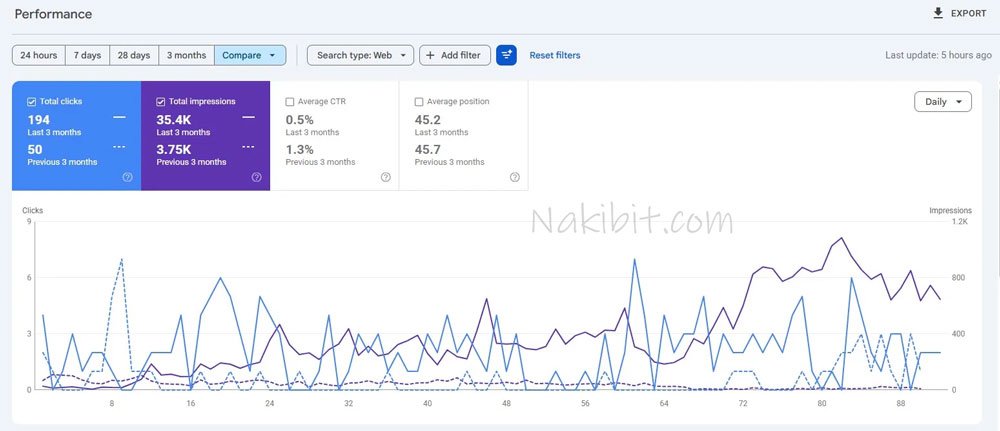
I worked with an addiction rehab centre in Los Angeles that saw clicks grow by 288% and impressions by 843% in four and a half months. That sector shows the balance well: visibility matters, but so does being careful, compassionate and honest. I build the local base first, then the content that earns trust. Privacy matters too, so tracking and forms must handle patient data with care. See local SEO for the foundation.
Google groups health with topics that can affect a person's wellbeing, often called Your Money or Your Life topics. Its quality guidance asks reviewers to look closely at experience, expertise, authoritativeness and trust, and trust is described as the most important of the four. For a clinic, that means a page about a symptom or a treatment is judged on who wrote it, what qualifies them, whether the facts match reliable sources and whether the site is honest about who is behind it.
This changes how I work. I do not publish medical content that no qualified person has seen. I ask your clinicians to write or review each page, and I show the reviewer's name, credentials and the review date. I use reliable sources, such as national health services, professional bodies and peer-reviewed research, and I link to them where it helps the reader. I avoid cure claims, fear-based wording and before-and-after promises that regulators in many countries restrict.
Advertising rules also matter. Health regulators and advertising authorities in several countries set rules on claims about treatments, results and testimonials. I write within those rules and ask you to confirm any sentence that could be read as a promise. I am an SEO specialist, not a clinician or a lawyer, so clinical accuracy and legal compliance stay with your professionals.
For an overview of how I work in every field, visit the Nakib IT home page.
"Physiotherapist near me", "private clinic in Dubai". Local, intent-rich searches decided by the map results and reviews.
People searching for answers before seeking care. Accurate, readable pages written with clinical review earn trust.
Considered decisions, often for a family member. Visitors compare programmes, credentials and what to expect.
Practical questions that decide whether someone books. Clear answers cut friction.
A healthcare SEO strategy begins with the services you most want to provide and the patients you can serve well. A multi-specialty clinic, a single physiotherapy practice and a residential treatment centre need very different plans. I begin by listing your priority services, locations and capacity, then research how patients search for each.
Health searches fall into stages. Early searches are about symptoms and understanding a condition. Middle searches compare treatments and providers. Late searches are about booking, insurance, cost and location. Each stage needs its own pages. A condition guide helps early on and builds trust. A service page serves the comparing stage. A clear location page with hours, directions and a way to book serves the final stage.
I plan the site around these pages and link them together. A condition guide points to the relevant service. A service page points to the clinicians who provide it. A location page links to both. This structure, built from your keyword research, helps patients and search engines understand how everything connects.
For providers with several branches, I build a separate profile and page for each location, each with its own staff, hours and local detail, so they do not compete with each other. That approach is covered in my multi-location SEO work.
Pages written with, or checked by, qualified professionals, with the reviewer and date shown clearly.
Complete, accurate Google Business Profiles with the right categories and consistent details everywhere.
Named practitioners with credentials and registration, supporting the expertise Google looks for.
Each treatment or condition gets its own page with plain explanations, honest expectations and next steps.
Forms, tracking and analytics set up to avoid collecting or exposing patient information.
Honest requests, no gating, and replies that never reveal personal health details.
Clear guidance on emergencies and when to seek urgent help. No cures, guarantees or misleading claims.
Structured data for organisations, clinics and practitioners that matches the visible page.
Healthcare sites collect sensitive information through forms, booking tools and analytics. In the United States, HIPAA can apply to tracking technologies on pages where patient information may be involved. In 2024, a federal court limited part of the guidance the Department of Health and Human Services had issued on tracking tools, and the department later withdrew its appeal, but the law itself still applies and other privacy laws may apply as well. Rules differ in the UK, the EU and elsewhere, so I always ask providers to confirm requirements with their own legal advisers.
My approach is cautious by default. I avoid putting health details into analytics, I keep tracking off login and booking pages unless it has been cleared, I check which third-party scripts load on sensitive pages and I help clinics write plain privacy information. Contact forms should ask only what is needed, and should not suggest that private health details be sent by ordinary email.
Reviews need care too. Google's rules require genuine reviews, with no incentives and no selective requests. Replies to patients must never confirm that someone was a patient or reveal details of their care, even if the reviewer has already shared them. A short, polite reply that invites the person to contact the clinic privately is safer. I help clinics write reply guidelines that staff can follow. See my review management page for the general approach.
Google holds health pages to a higher standard.
I review how your pages explain services, who writes and reviews the content, and how you appear in local and health searches.
Clinician credentials, clear contact details, privacy information and accurate profile data.
Written plainly, checked for accuracy by your clinicians, and organised so patients find answers quickly.
Honest patient reviews, professional listings and links from reputable health sources.
Appointment requests and calls by month, with which pages bring them.
The aim of healthcare SEO is more of the right patients finding you and booking, so I report on appointment requests, calls, direction requests and form enquiries, along with the Search Console searches behind them. I separate searches for your clinic's name from searches for services and conditions, because the second group is where new patients come from.
Where the clinic can tell me which enquiries became appointments, I include that, so we judge the work on real outcomes. Where privacy rules prevent detailed tracking, I use broader measures such as call volume and form counts and say plainly what cannot be measured.
Timelines are honest. Profile and trust fixes can show movement within weeks. Service and condition pages usually take three to six months in a competitive city, and longer in highly competitive fields. My real healthcare example, an addiction rehab centre in Los Angeles, grew clicks by 288% and impressions by 843% over four and a half months, but every provider starts from a different place, so I treat it as an example of the method, not a promise.
As a healthcare SEO specialist, I also keep content current. Medical guidance changes, so I set a review schedule, and pages are updated when the facts change, with the new review date shown.
You receive a written plan that names your priority services, locations and the pages needed for each, a content brief for every page with the questions to answer and the sources to cite, and a review checklist for your clinicians. You receive profile and trust fixes, such as practitioner pages, clearer contact details and consistent business information. And you receive monthly reports tied to appointments and calls.
A good healthcare SEO expert also protects your time. Briefs are written so that clinicians review rather than write from scratch, and reviews are scheduled so they do not pile up. Where I draft, your team checks every clinical statement before it goes live.
People ask AI assistants health questions every day, and these tools treat health content with caution. They favour pages that are clear, well sourced and written by identifiable experts. As an AI search specialist and AI SEO expert, I help providers publish content that fits that standard.
That means short, direct answers followed by the detail, a clear statement of who reviewed the page and when, links to trusted sources and a plain note about when to seek urgent care. Organisation and practitioner details should be consistent across your site, profiles and listings, and structured data should state them clearly. I explain this in my schema markup work.
No one can promise that an assistant will name a clinic. What a provider can do is publish accurate, reviewed information, keep details consistent and earn genuine reviews. For more on the approach, see my guides to answer engine optimization and Google AI Overviews.
Healthcare providers receive many offers from medical SEO companies and healthcare marketing agencies. Whether you consider a healthcare SEO agency, a healthcare SEO company or a freelance healthcare SEO consultant, ask a few direct questions. Do they understand that clinical content needs professional review? Will they respect your privacy and advertising rules, and say when you should ask a lawyer? Do they report on appointments and calls, not only rankings? Do they promise patient numbers or first positions?
Be wary of providers who sell mass-produced condition pages, fake testimonials or miracle claims. At Nakib IT you work with me directly. I am a trusted SEO expert and an experienced healthcare SEO consultant, and I will tell you plainly what I can and cannot judge. To learn more, read about Nazirul Islam Nakib, see my professional SEO services or visit the SEO expert in Bangladesh home page.
Real results from my own work. Every business and market is different, so treat these as examples of the method, not promises.
 Local SEO
Addiction rehab, Los Angeles, USA
Healthcare SEO rests on local SEO, including Google Business Profile work and review management. Content comes from content SEO and keyword research, with markup from schema markup. For dental clinics there is a page on dentist SEO, and for cosmetic procedures see plastic surgery SEO. Health information also appears in AI answers, which reward clear, well-sourced pages.
As a semantic SEO expert, I plan pages around topics and the entities behind them, such as your services, places, people and products, so search engines and AI tools can see exactly what you are about and where you fit. I am an independent SEO consultant and freelance SEO expert, so the person who audits your site is the person who fixes it. You can work with me remotely from anywhere, and I explain each step in plain language.
I am a results-driven SEO expert in a practical sense: every task is tied to something we can measure in Search Console, Google Analytics or your enquiries, and I report on it in plain language. I do not promise rankings, because nobody can.
Healthcare content needs accuracy and trust. The plans cover local listings, service pages and the credibility signals patients look for.
Local Start
from $249 per month
One location: Google Business Profile, citations and local on-page SEO.
Local Growth
from $499 per month
Local content, reviews and link building to win more of the map pack.
Local Leader
from $899 per month
Competitive cities and wider service areas, with PR and conversion work.
See the full local SEO plans →
Starting prices in US dollars. I confirm the scope after a free look at your site, so you always know the price before any work starts.
Share your website and the services you offer. I will tell you what I see and what I would fix first.
No obligation · Reply from Nazirul Islam Nakib himself
 Nazirul Islam Nakib
We usually reply in a few minutes
Leave your email or WhatsApp number and we'll follow up as soon as we're back online.