Style and item searches
"Linen shirt dress" or "minimalist gold necklace". Specific category and collection pages win these.
Fashion buyers search by style, occasion, material and brand, then judge a store in seconds. I help clothing, shoes, bags and accessories brands rank for those searches, show up in AI shopping answers and turn browsers into customers.
4.9/5 from 81 reviews · Hands-on, site by site

Get a free first look
Send your website. I will reply myself with what I see and what I would fix first.
or
Chat on WhatsAppI am Nazirul Islam Nakib, an experienced fashion SEO expert, SEO consultant and SEO strategist. Fashion SEO is search marketing for online stores that sell clothing, shoes, jewelry, watches, bags and accessories, and for the brands behind them. It is ecommerce SEO with a few extra problems: huge variety, constant seasons, and shoppers who decide with their eyes.
Most fashion searches are specific. People look for a type of item ("linen shirt dress"), a style ("minimalist gold necklace"), an occasion, a material or a brand name. Each of those needs a page that matches it, with strong photos, accurate sizes and colours, and clear delivery and returns. A catalogue of thousands of near-identical products can also waste crawl time, so structure matters as much as copy.
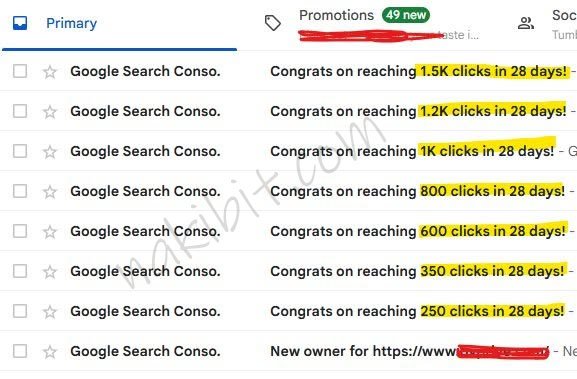
I worked on a luxury clothing brand in Switzerland that had no SEO and wanted the US market. On BigCommerce, with a restructured site, targeted content and a backlink plan, it reached 2,700+ monthly organic visits in seven months, with Bing optimised alongside Google. I also worked on a luxury bag store in Spain, where product and category pages were rebuilt for AI systems and now appear in Google AI Overviews and ChatGPT answers. Both are in my case studies. The foundation is ecommerce SEO and technical SEO.
Fashion is one of the most crowded corners of online shopping. Marketplaces, giant retailers and social platforms all compete for the same shopper. A smaller brand cannot win by shouting louder. It wins by being clearer, more specific and easier to trust.
The shopper's journey is also different. Many people start with a feeling rather than a product: a wedding in spring, a new job, a holiday in a hot country. They search for an occasion, then a style, then a brand. A fashion store that only has product pages misses the first two steps, and the shopper may never reach its name.
Seasons add pressure. Winter coats must be ready before the cold, summer dresses before the first warm weekend, and search rankings take time to build. A store that publishes a collection in the week it launches is already late.
Finally, fashion is visual and variable. One shirt can come in six colours and eight sizes, and a careless setup turns that into dozens of near-identical pages. I bring more than eight years of experience and 1,200+ projects to these problems, including two published fashion case studies. For the wider picture, see the Nakib IT home page.
"Linen shirt dress" or "minimalist gold necklace". Specific category and collection pages win these.
Weddings, parties, birthdays. Guides and gift pages bring shoppers who have not picked a brand yet.
People who already know your name. Your own store, not a reseller, should appear first.
Shoppers now ask assistants "what should I wear to…". Clean product data and clear pages help you get recommended.
Real descriptions, clear filters and a structure that matches how people shop, not a grid with no words.
Honest descriptions, fabric and care details, size guides and reviews, with photos that load fast on phones.
Collections and guides published ahead of each season, with a plan for what happens to out-of-season pages.
Colour, size and sort options kept from creating thousands of near-duplicate URLs.
Price, stock, sizes and review data in clean structured data, so it shows in results and reaches AI shopping tools.
Pages restructured so AI systems can read and quote them, and trusted mentions that support your brand.
Country versions set up correctly, so shoppers see the right language, price and delivery.
Buying guides, size help and styling content that earns links and brings early-stage shoppers.
A good fashion SEO strategy has three layers that work together.
The first layer is category and collection pages. These carry most of the search demand, because people search for types of item. Each page needs a short, useful introduction, clear filters that do not spawn thousands of duplicate URLs, internal links to related categories and sensible handling of sold-out items. I plan the structure so that a shopper and a search engine can both follow it.
The second layer is product pages. Fabric, fit, sizing, care, colour accuracy, delivery and returns are the details that decide a purchase. A size guide that matches your real measurements reduces returns as well as improving the page. Reviews, where genuine, give shoppers confidence and give AI tools something to quote.
The third layer is guides and style content: how to dress for a summer wedding, how to care for linen, how to measure for a jacket. These pages reach people early and earn links from blogs and magazines. They connect to my content SEO work and rely on the planning described in my keyword research service.
Underneath all three sits technical health. Image weight, mobile speed, crawl waste from filters and clean redirects for retired products decide whether the other layers can work. I cover that under technical SEO and Core Web Vitals.
Seasonal catalogues create most of the long-term mess on fashion sites, so I plan them from the start.
Evergreen pages, such as a category for denim jackets or a guide to caring for wool, keep the same address year after year and are refreshed each season. This builds authority over time instead of starting again every spring.
Short-life pages, such as a limited drop, are given a clear end plan: redirect to the closest live category, keep as an archive with a clear note, or retire with the right status code. I avoid leaving hundreds of thin expired pages behind, because they waste crawl time and weaken the site.
Sale pages need the same care. A single permanent sale page that is updated is usually stronger than a new address for every promotion. Prices in structured data must match what the shopper sees, which my schema markup work covers.
New collections should be live and linked well before the season starts. I build a simple calendar with your team so the writing, photos and markup are ready on time.
Fashion shoppers browse by style and need reasons to trust a new brand.
Fashion buyers search by style, material, occasion and brand. I map those searches against your categories and products.
Size and colour variants, out-of-season products, filters and image speed.
Category pages and guides that match how people shop for clothing, jewellery and accessories.
Fashion blogs, magazines and brand mentions that send real people, and real links, to your store.
Clicks, rankings and orders by collection, with the next steps.
Real results from my own work. Every business and market is different, so treat these as examples of the method, not promises.
 BigCommerce
Luxury clothing brand, Switzerland
A BigCommerce brand with no SEO work, aiming at the US market. Site restructure, targeted content and a backlink plan, with Bing optimised alongside Google.
 BigCommerce · AI search
Luxury bags, Spain
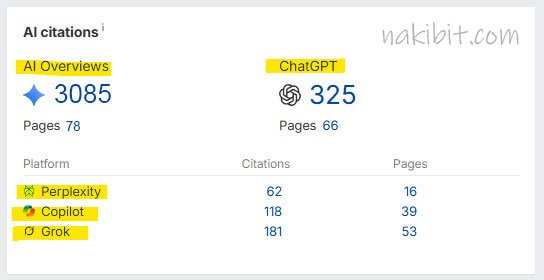
Product and category pages restructured for AI systems to read, plus topical authority and trusted mentions.
Fashion SEO builds on ecommerce SEO, with platform work for Shopify, WooCommerce, Magento and BigCommerce. Selling to other countries is covered by international SEO, product data by schema markup, and AI answers by AI SEO. For the full list of my sectors see industry SEO services.
Fashion shoppers need to trust what they cannot touch. That makes honest descriptions a ranking asset and a legal duty.
Fabric and care claims should match your labels. Terms such as organic, sustainable, recycled or ethically made should be used only when you can back them up, and advertising regulators in many countries take green claims seriously. Where rules differ by country, I ask brands to confirm them with a local adviser.
Reviews must be real. Google's policies require genuine reviews with no payment or selective collection. I set up a calm routine that asks every buyer, publishes the good and the bad, and answers complaints about fit, delay or quality with courtesy. My review management page explains the method.
Delivery times, return windows and costs should be visible near the buy button, not hidden in the footer. Brands with physical shops should also keep their Google Business Profile accurate.
Shoppers now ask assistants what to wear to a wedding, which trainers suit wide feet or where to buy a certain style. AI tools read product pages, guides, reviews and trusted articles to answer. As an AI search specialist and AI SEO expert, I help fashion brands be understood and quoted correctly.
My Spanish luxury bag project shows what this looks like in practice: product and category pages restructured so AI systems can read them, topical authority and trusted mentions. The result was 3,085 Google AI Overview appearances and ChatGPT citations rising from 1 to 325. Every brand and market is different, and no one can promise a particular result.
The same ingredients apply to any fashion store: clear product data, quotable guides, consistent naming across the web and honest reviews. For the method, see generative engine optimization and answer engine optimization.
I report on orders and revenue from organic search, the collections and guides that bring them, and the Search Console searches behind those pages. Brand searches and general searches are shown separately, so you can see whether new shoppers are finding you.
Because fashion is seasonal, I compare against the same months a year earlier. Structural fixes can show movement within weeks to a few months, while competitive categories usually take three to six months. My Swiss clothing project reached 2,700+ monthly organic visits in seven months from a standing start, but I treat that as an example of the method, not a promise.
As a freelance fashion SEO specialist, I also leave your team with simple routines for every new product and collection.
When you compare a fashion SEO agency, a fashion SEO company or a freelance fashion SEO consultant, ask whether they understand seasons and variants, whether they can show real fashion results, whether they will write real category content and whether they report on orders rather than rankings alone. Be careful of anyone who promises first place.
At Nakib IT you work with me directly. I am a professional SEO expert and an experienced fashion SEO consultant. Read more about Nazirul Islam Nakib, see my SEO services or visit the SEO expert in Bangladesh home page.
Think of me as a semantic SEO expert and a holistic SEO consultant in one: I look at meaning, through topics and entities, and at the whole site, through technical health, content and authority, before I suggest any change. I also work as a programmatic SEO consultant for sites with large catalogues or many locations. The rule is simple: scale only what is genuinely useful, and keep every generated page unique, accurate and worth indexing.
I am a results-driven SEO expert in a practical sense: every task is tied to something we can measure in Search Console, Google Analytics or your enquiries, and I report on it in plain language. I do not promise rankings, because nobody can.
These are the usual reasons a good brand loses search traffic.
A grid of photos gives search engines nothing to read.
Duplicate copy blends you into the crowd.
Colour and size options can multiply pages.
Expired pages waste crawl time.
Slow phones lose shoppers.
Doubt near the buy button costs sales.
Fashion buyers search by style, material and occasion. The plans cover category pages, product pages and the content that brings in that traffic.
Store Startup
from $199 per month
Audit, product and category fixes and technical clean-up for a smaller store.
Store Growth
from $499 per month
Up to 25 product pages, buyer-intent content and link building.
Store Authority
from $999 per month
Full catalogue strategy, digital PR and conversion-focused SEO.
See the full ecommerce SEO plans →
Starting prices in US dollars. I confirm the scope after a free look at your site, so you always know the price before any work starts.
Share your store address and what you sell. I will tell you what I see and what I would fix first.
No obligation · Reply from Nazirul Islam Nakib himself
 Nazirul Islam Nakib
We usually reply in a few minutes
Leave your email or WhatsApp number and we'll follow up as soon as we're back online.