Search your five main phrases
Write down which sites appear on page one, and what type of page each is.
The businesses you compete with in real life are often not the ones outranking you on Google. I am Nazirul Islam Nakib. I find who really takes your search traffic, work out why they are ahead, and give you a short list of gaps worth going after, for Google and for AI answers.
4.9/5 from 81 reviews · 8+ years and 1,200+ projects

Get a free first look
Send your website. I will reply myself with what I see and what I would fix first.
or
Chat on WhatsAppAn SEO competitor analysis compares your site with the sites that rank for the searches you want. It looks at the keywords they rank for that you do not, the content they publish, the sites that link to them, how their pages are built and how fast they load, and how often they are cited in AI answers. The point is not to copy them. It is to find the gaps and weak spots that give you a realistic way past them.
The most useful result is a short, ordered list: these five pages to create, these three to improve, these link sources to approach. A 60-page report that tells you everything and recommends nothing is not an analysis. It is a data dump.
On the results page, a business rival is only one of several kinds of site you meet.
| Feature | Why they matter | What I do about them |
|---|---|---|
| Direct business rivals | They sell what you sell to the same people | Compare pages and offers and local presence |
| Search-only rivals | They do not sell what you sell but they take your clicks | Study the content that wins and decide whether to compete or complement |
| Marketplaces and directories | Large sites that rank for almost every product and service search | Target the phrases they do not serve well |
| Publishers and review sites | They answer the early questions buyers ask | Create your own helpful guides and earn mentions from them |
| Forums and social sites | Often ranking because the results have little else | Treat as a sign of a content gap you can fill |
| Sources cited by AI tools | They are named when buyers ask ChatGPT or Gemini | Check what they say and where they are cited |
I do not report everything. I report what changes a decision.
| Feature | What I look at | What it tells you |
|---|---|---|
| Keywords | Phrases they rank for that you do not | Where demand exists that you are missing |
| Content | Page types and depth and freshness | What a page needs to compete |
| Links | Where their links come from and why | Which sources are relevant and realistic |
| Technical | Speed and structure and indexing | Whether they win on content or on foundations |
| Search features | Snippets and local packs and AI Overviews | Which formats matter in your market |
| AI answers | Who is named and cited in AI tools | Where AI buyers are being sent instead of to you |
Here is a made-up example, so no client is named. A company selling accounting software for builders wants to rank for "construction accounting software".
The analysis shows that the top three results are large general software sites with thin pages for builders. Two smaller sites rank on page one with a long guide to job costing, which the company has nothing like. A forum thread sits at position six, which usually means the results have no good answer to the question. And when buyers ask ChatGPT for options, it names the same two smaller sites.
The recommendation: do not fight the large sites for the head phrase. Publish a clear job costing guide and a comparison page, link them from the product page, and earn two or three mentions from builder trade sites. That is a plan you can start next week. It came from looking at what the results actually contained.
A keyword gap lists phrases that competitors rank for and you do not. Taken on its own it is a long, noisy list, so I filter it three ways before it reaches you.
Relevance. Would these searchers ever buy what you sell? Many gap keywords belong to a different audience.
Winnability. Is the page that ranks strong, or is it a forum post, an old article or a page that only half answers the question? Weak pages in the top ten are your openings.
Intent fit. Does the result show guides, products or comparisons? Your page has to be the type Google wants to show.
The survivors become pages to create or improve. I explain how phrases are chosen in my keyword research work and how the pages are written in content SEO.
I look at who links to your competitors, and the aim is to understand, not to copy. A link from a news site because of a real story cannot be repeated by sending an email. A link from a directory or a local association might be easy to match. I sort the sources into those you can realistically earn, those worth a conversation and those to ignore.
I also warn against the common trap of chasing link counts. A competitor with many links from poor sites is not a model. See link building for how I earn links that are relevant and safe.
On the technical side I compare speed, structure and indexing. Sometimes a rival wins because their site is simply faster or easier to crawl, and the cure is not new content at all. See technical SEO.
Buyers also ask ChatGPT, Gemini and Perplexity who to choose. I ask your buyer questions in those tools, in several phrasings, and record which brands are named and which pages are cited. That tells you who your AI search competitors are, and they are not always the same as your Google rivals.
Then I open the pages that are cited and look at what they have in common: a direct answer near the top, named authors, specific facts, recent dates, a presence on other sites that AI tools read. AI answers vary from run to run, so I repeat the questions and report patterns, not one-off results. If you want this on its own, an AI visibility audit covers it in depth.
You can learn a lot with free tools and an hour or two.
Write down which sites appear on page one, and what type of page each is.
The sites that show up for several phrases are your real search competitors.
Note the length, the structure, the answer at the top, the date and the author.
A free tool or trial can show the phrases and pages that bring them traffic.
Put your buyer questions into ChatGPT, Gemini and Perplexity and note who is named.
Choose the three easiest ones to beat, and write a page for each.
Who takes your search traffic and why, ranked by how much they matter.
Keywords and topics where you can realistically get ahead.
Your page next to the top ones, with what is missing.
Sources worth approaching, with the reason for each.
Who is cited in AI tools for your questions.
What to do first, next and later.
These make an analysis look good but change nothing.
Get a free competitor look →Picking rivals by who you dislike, not by who ranks.
Matching a rival's page makes you equal at best.
A site with a high score can still have weak pages you can beat.
Chasing a phrase where Google shows a different page type.
Many poor links are not a goal to match.
Missing that the competitor in AI tools is someone else.
Fifty findings and no first step.
Rivals change. A short review each quarter keeps it useful.
Three projects where understanding the competition shaped the plan.
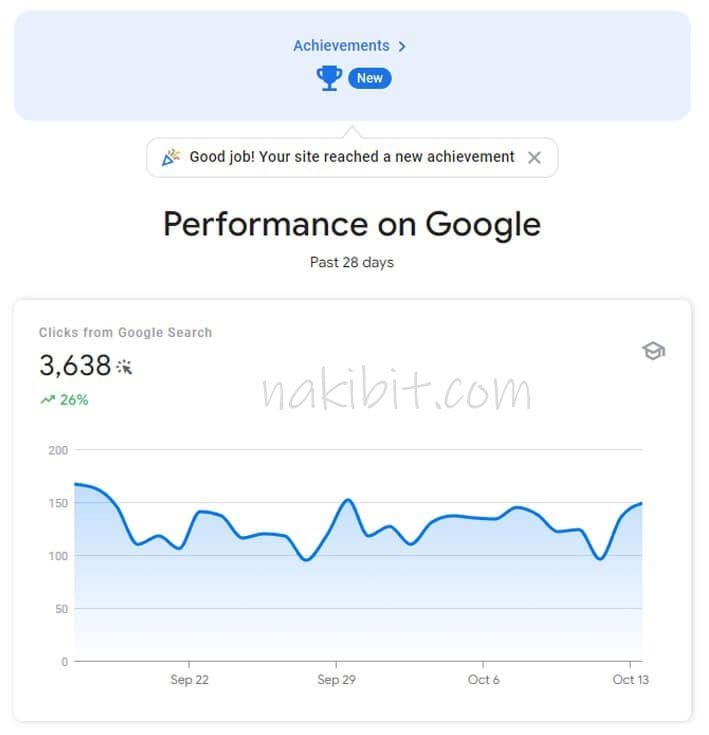 Ecommerce
Gadget store, Bangladesh
Technical and on-page work on WordPress, local-language search behaviour, and optimisation for Bing and AI platforms.
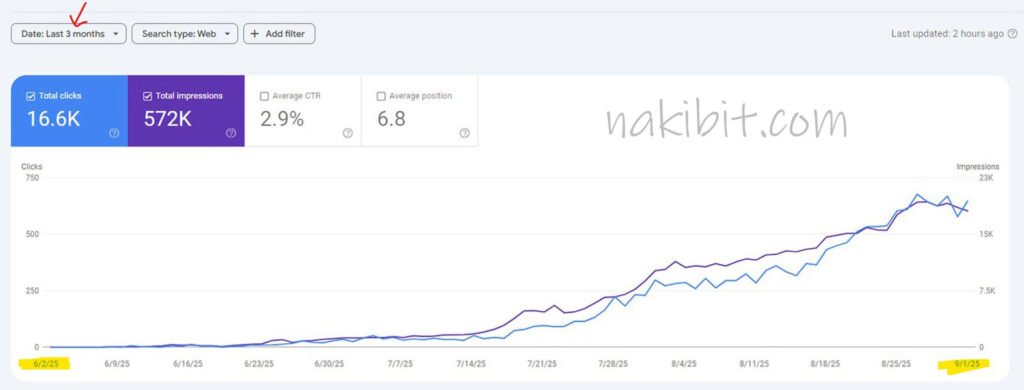 B2B SaaS
USA, UK & international
Topical authority, a structured content plan and AI-search optimisation. No paid traffic at any point.
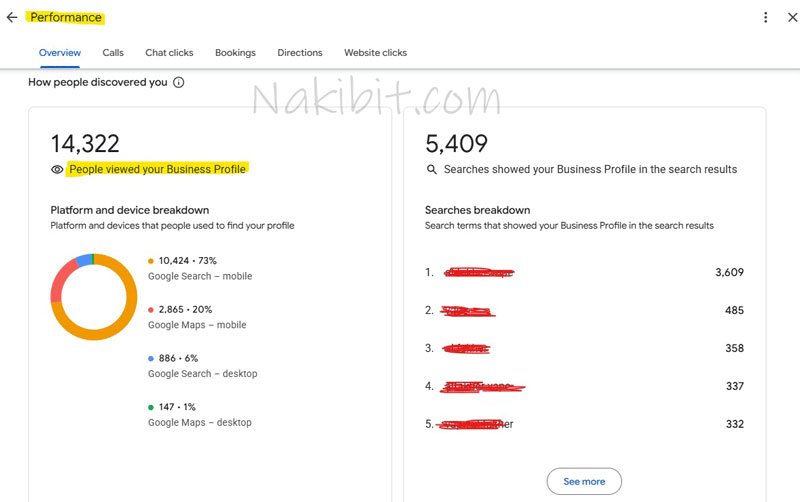 Local SEO
Plumbing, California, USA
Before you plan a year of content, so you spend on gaps that exist. Before you enter a new market or launch a new product. When rankings stall and you cannot see why. After a competitor suddenly jumps ahead. And as a quarterly check once SEO is running, so the plan keeps up with the field.
It also pairs well with an SEO audit, which looks inside your own site, and with keyword research. If you want the findings turned into monthly work, my monthly SEO packages put competitor review inside every plan, and an on-page SEO project can implement the page changes.

Send me your site and the phrases you care about. I will tell you who is really ahead of you and what I would look at first.
No obligation · Reply from Nazirul Islam Nakib himself
 Nazirul Islam Nakib
We usually reply in a few minutes
Leave your email or WhatsApp number and we'll follow up as soon as we're back online.